Key takeaways
- Snap announced on 20 October 2026 that Robert Downey Jr. is the honorary Chief Customer Experience Officer of Specs, its consumer AR glasses.
- Specs start at $2,195 and launch in the US, UK and France this autumn. They are see-through glasses that float apps, games, web pages and an AI assistant over the real world.
- Downey's job, per Snap, is Lens experiences, original content and in-person events. The first episodes went out around the Knicks–76ers season opener, with another tied to Game 1 of the World Series on 23 October.
- Nobody is pretending the man wrote firmware. The title is a marketing role, and that is exactly what a $2,195 product nobody has tried needs.
Ten years ago Snap sold its first Spectacles out of a yellow vending machine that appeared on a beach without warning. They were sunglasses with a camera, they recorded ten-second clips, and the company wrote off nearly $40 million of unsold stock a year later. It was a good joke and a bad business.
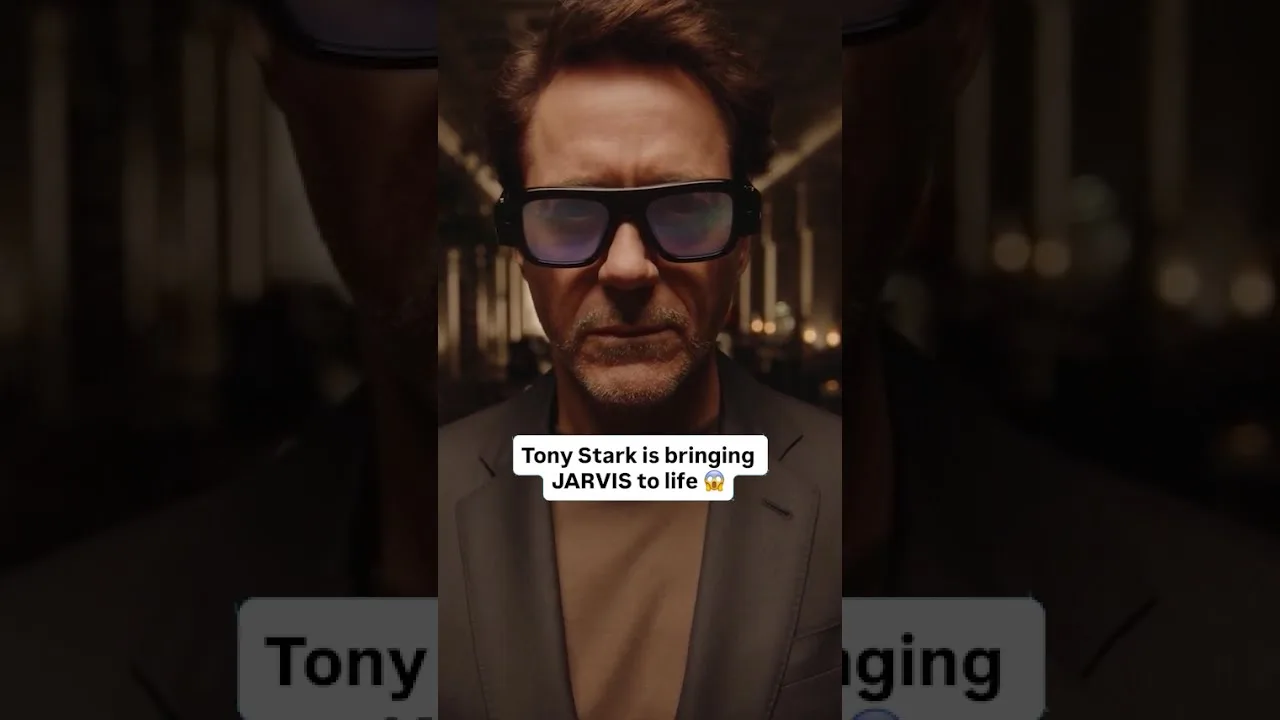
On 20 October 2026 the same company announced that the man who played Tony Stark is now the honorary Chief Customer Experience Officer of its SPECS subsidiary. Nobody at Snap said the word "JARVIS" in the press release. Nobody had to.
What Specs actually are
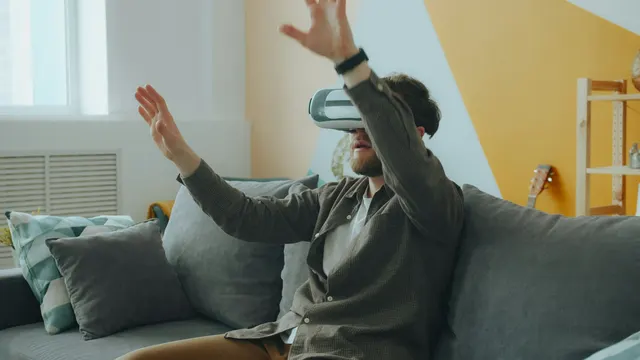
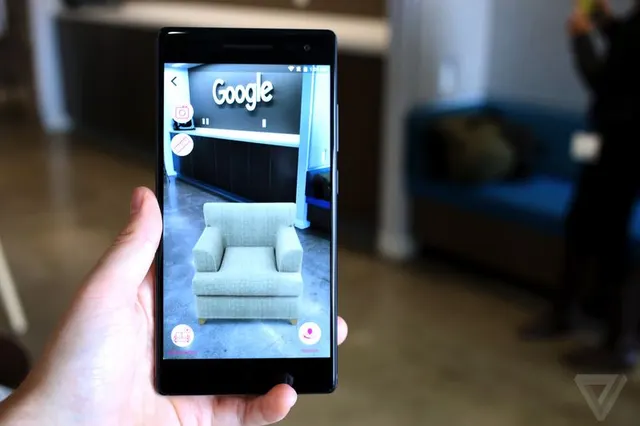
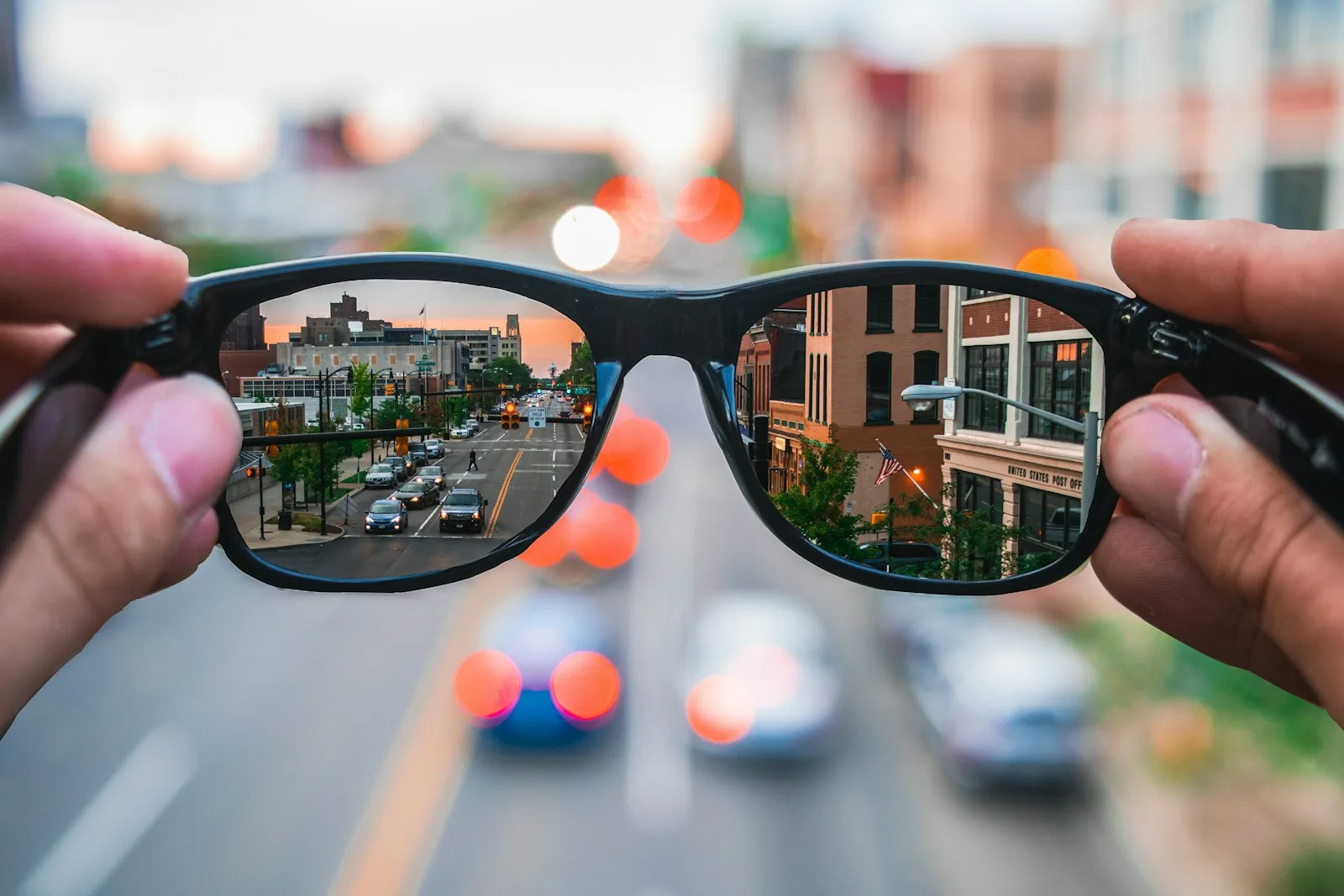
Forget the vending-machine sunglasses. Specs are the consumer version of the fifth-generation Spectacles that Snap handed to developers in 2024 for $99 a month: transparent lenses with waveguide displays, so you see the real room with digital things layered on top of it. Apps hang in the air. A browser sits on the wall. Games happen on your coffee table. An AI assistant looks at what you are looking at and talks back.
They start at $2,195, which puts them above a Vision Pro's successor in the awkward-conversation bracket, and they go on sale in the US, UK and France "later this fall". Snap has spent years and billions on this, and Evan Spiegel has said in public that he thinks glasses, not phones, are the next platform. Specs are the company putting a price on that belief.
What Downey is for
Snap's wording is careful. Downey will "help shape Lens experiences", "develop original content", and contribute to "hardware and in-person experiences". Translated: he is the face, the voice and the taste. He gets a say in what the launch demos look like, he fronts the videos, and he will turn up at events wearing the glasses so that photographers have a reason to point cameras at them.
The content came out of the gate at once. A set of original episodes shows the glasses used for workspace layouts, golf instruction, entertainment and, in the one that will do the numbers, learning to draw. The partnership was timed to the New York Knicks versus Philadelphia 76ers season tip-off, with a further episode built around Game 1 of the World Series on Friday 23 October. That is a sports-bar launch strategy for a product that costs as much as a used motorbike, and it tells you who Snap thinks buys first: men who already own every other gadget and need a reason.
Why it is clever, and why it is a confession
Casting the actor who spent fifteen years talking to a holographic assistant in a flying suit is not subtle. It is also the only honest way to sell AR right now. Every company in this category has the same problem: the demos are astonishing in person and unconvincing in a flat video, because you cannot show presence on a phone screen. Meta solved this by putting Ray-Ban's logo on the glasses so you forget they are a computer. Apple solved it by charging so much that owning one was the content. Snap's answer is a face everyone already associates with the exact fantasy the product is selling.
It is also an admission. You do not hire a brand ambassador of that size for a product that is selling itself. Snap's Spectacles have never had a mass audience. Specs, at $2,195 and three countries, will not either, not this year. Downey's job is to make the glasses something people want before they are something people can afford, so that the cheaper version in two or three years already has a reputation. That is how Tesla sold the Model 3 and how Apple sold the Watch, and it is a perfectly good plan.
The competition Downey has to out-charm
- Meta Ray-Ban Display, $799. One small screen in one lens, a wristband for clicking, and a brand people already wear. Cheaper, less capable, far more units.
- Meta Orion and the 2027 VR Glasses. Orion is still a prototype with a 70-degree field of view that Meta will not sell; the $1,300 VR Glasses are a different product that happens to look similar on a shelf.
- Apple Vision Pro. The reference point for what a premium face computer feels like, and a cautionary tale about what it sells like.
- XREAL's $299 a01+. Not real AR, just a big virtual screen in your glasses, but it is what people actually buy. We looked at those separately.
Verdict
The title is honorary, the salary is undisclosed, and the engineering contribution is zero. None of that matters. Snap has a product that is impossible to explain in a tweet, costs $2,195, and ships into a market that Meta has spent two years flooding with $300 and $800 glasses. Hiring the one actor on earth who makes AR glasses look inevitable is not a gimmick; it is the entire go-to-market plan, and we would have done the same.
Whether Specs are any good is a different question, and the answer will arrive when the first units reach people who paid for them rather than people who were paid. We will be watching the World Series episode for the same reason everyone else is: to see whether Tony Stark can make a pair of glasses look like the future one more time.